
Cultural insights into the global perceptions of gambling practices
Understanding Gambling in Different Cultures
The perception of gambling varies significantly across cultures, influenced by historical, religious, and social contexts. In some societies, gambling is deeply ingrained in traditions and viewed as a form of entertainment, while in others, it is associated with moral dilemmas and legal restrictions. For instance, in many Western cultures, casinos and lotteries are widely accepted, often seen as a legitimate source of entertainment and revenue. Online platforms make it easier than ever to explore the best online casinos in australia for gaming experiences. Conversely, in certain Asian cultures, gambling may be frowned upon or strictly regulated due to religious beliefs that prioritize moderation and caution.
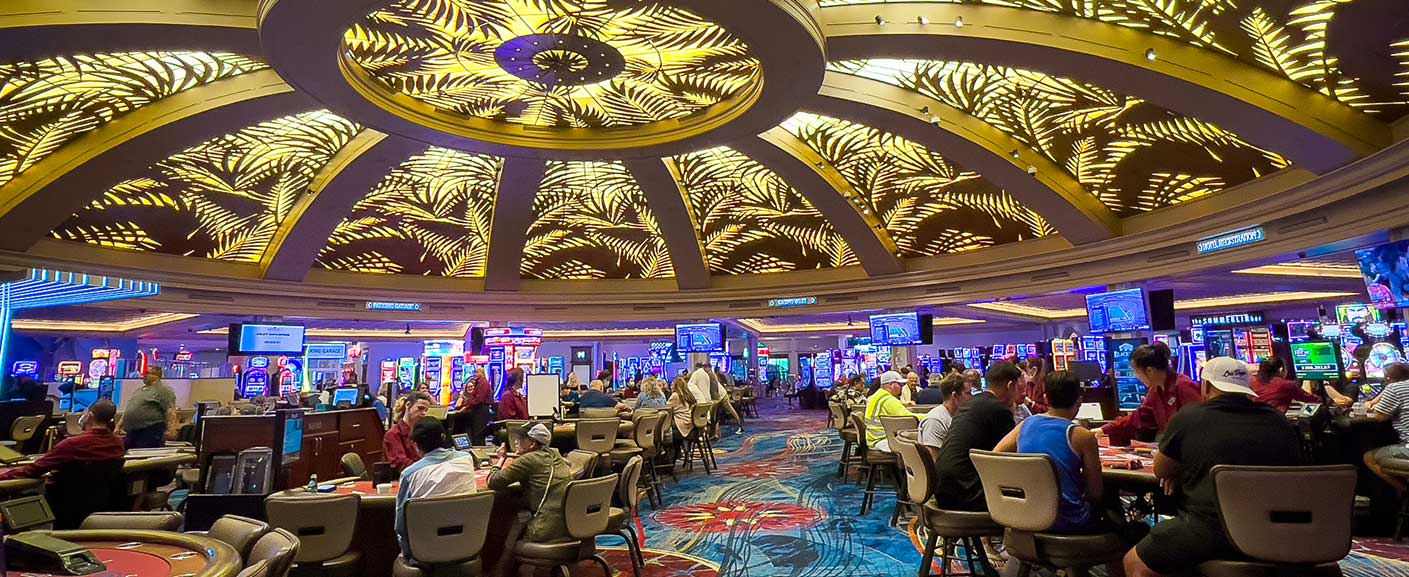
This divergence in attitudes also extends to the legality of gambling practices. In countries such as Australia and the United States, various forms of gambling are legalized and regulated. However, in regions where gambling is prohibited, underground practices may flourish, reflecting a complex relationship between cultural acceptance and legal constraints. Understanding these cultural nuances is essential for anyone looking to engage in or study global gambling practices.
Impact of Religion on Gambling Attitudes
Religion plays a pivotal role in shaping attitudes towards gambling around the world. In Islamic cultures, for example, gambling is strictly prohibited, viewed as haram or sinful. This religious perspective influences not only individual behavior but also governmental policies regarding gambling establishments. In contrast, many Christian denominations have varying views on gambling, with some accepting it as a harmless form of entertainment and others condemning it as a vice that can lead to addiction and moral decay.
The relationship between religion and gambling also manifests in social gatherings and festivals where gambling may be integral to cultural practices. For example, during certain festivals, games of chance are played as a form of celebration. Such practices reveal the duality of gambling as both a recreational activity and a potential source of social issues, further complicating global perceptions of gambling.
Economic Factors Influencing Gambling Practices
Economic conditions heavily influence the prevalence and acceptance of gambling in various cultures. In wealthier nations, where disposable income is higher, gambling can be a popular leisure activity, contributing to local economies through tourism and entertainment. Casinos often become major attractions, generating jobs and stimulating economic growth. This economic incentive can lead to more lenient regulations and a greater acceptance of gambling as part of a vibrant tourism industry.
Conversely, in developing countries, gambling may be viewed with skepticism. While it can offer a means of income for some, it may also lead to increased poverty and social issues. In these regions, the government may impose stricter regulations, viewing gambling as a risk to social stability rather than a potential economic boost. This highlights how economic factors can either foster or hinder gambling practices and perceptions across the globe.
Technology and Global Gambling Trends
With the advent of technology, the global landscape of gambling has transformed dramatically. Online casinos and mobile gaming apps have made gambling more accessible than ever, attracting a diverse demographic that transcends cultural boundaries. This digital shift has led to a more widespread acceptance of gambling, as individuals can now engage in gaming from the comfort of their own homes. As a result, countries that previously had restrictive gambling laws are reevaluating their policies to adapt to the changing environment.
Moreover, the rise of cryptocurrency has introduced new payment methods in the gambling industry, further enhancing the appeal and security of online gaming. However, this also raises regulatory challenges, as governments grapple with how to manage an industry that is increasingly global and decentralized. The intersection of technology and gambling practices underscores the need for ongoing dialogue about ethics, responsibility, and regulation in an evolving cultural landscape.

Exploring Online Gambling Communities
As the gambling landscape continues to evolve, online gambling communities have emerged as significant players in shaping perceptions and practices globally. These virtual spaces not only facilitate gaming but also foster discussions around strategies, experiences, and the implications of gambling behavior. Forums and social media groups provide platforms where players can share insights, voice concerns, and build connections, creating a unique subculture within the broader gambling community.
In this context, understanding player demographics and motivations becomes crucial. Different cultures contribute to varying styles of play, risk tolerance, and attitudes toward gambling. Online platforms that prioritize inclusivity and provide resources for responsible gaming can help mitigate the potential harms associated with gambling, demonstrating a commitment to player welfare amidst the thrill of gaming. Through these online interactions, the global perception of gambling continues to evolve, reflecting a blend of cultural insights and technological advancements.